
Your shopping cart is currently empty.
Spray Foam Machines
Spray foam machines are sophisticated pieces of spray foam equipment that are used in insulation and roofing applications. Many contractors choose SPF insulation foam machines for their dependability, productivity, and high performance, regardless of the size of their job.
Commonly referred to as proportioners, these insulation foam machines serve as the backbone of an SPF job site. From residential spray polyurethane foam (SPF) insulation projects to high-volume commercial jobs, today’s cutting-edge spray foam machines help contractors get the job done.
Featured Spray Foam Machines
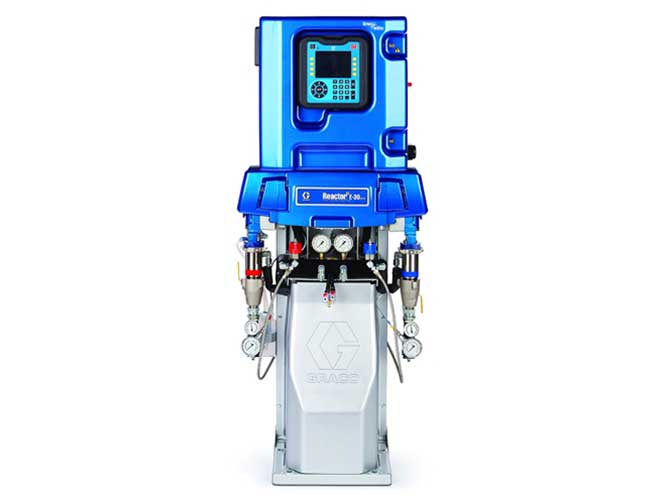
Graco Reactor 2 E30
Each feature in the Reactor 2 was strategically designed to help your business, with innovations that help your operation run smoothly. Software and hardware enhancements for better spray performance. And new technologies that add to your bottom line.
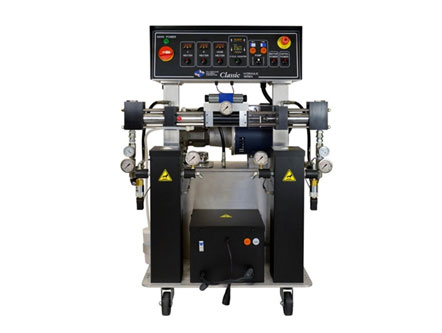
PMC PH40 Proportioner
Designed to be both economical and applicator-friendly, this PH series model offers the professional even more value and basic contractor rugged design. The electrical console has been re-designed to eliminate the use of delicate circuit boards and displays.
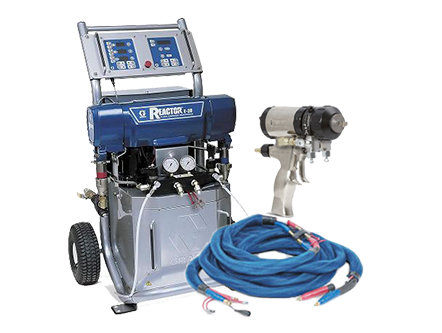
Graco Reactor E-20 Package
Equipped with material data and system diagnostics, the Reactor E-20 proportioner provides total control for spraying foam insulation. Advanced features provide longer equipment life, more uptime for your spray day, and the overall Graco reliability and durability you’ve come to expect.
Intech Equipment & Supply offers a wide assortment of spray foam machines in various types and sizes, so you can choose the one that best fits your needs. With options available at all price ranges, you can also find one that fits your budget.
Visit our online store to browse our wide selection of spray foam machines.
How to Invest in the Right Spray Foam Machine for Your Commercial Spray Foam Business
The spray foam insulation industry is growing and is predicted to be worth $3.5 billion by 2032. This opens up a lucrative opportunity for contractors wishing to specialize in an expanding field, as market indicators are positive. However, contractors can only perform to the quality level of their tools and equipment, which means that to be successful in a growing market, investing in high-quality insulation tools such as the most current spray foam machines is critical.
In their work, spray foam professionals seek to maximize the benefits of spray foam insulation while keeping efficiency and client deadlines in mind. Spray foam machines are crucial to this balance: the right spray foam machine operates smoothly, efficiently, and with less downtime due to maintenance or operation issues. On the other hand, the wrong spray foam machine ineffectively applies the spray foam and is more prone to mechanical issues. With the wide variety of spray foam rigs, accessories, and PPE available today, making the optimal equipment investments for your business can be daunting.
At Intech Equipment & Supply, we’re passionate about helping contractors purchase high-quality spray foam machines so they feel confident on the job, get the job done right, and grow their business. That’s why we’ve put together this guide on spray foam machines, insulation tools, and other important considerations for professional spray foam contractors.
Introduction to Spray Foam Machines
Whether you’re a seasoned commercial spray foam insulation professional or just starting, knowing the basics about spray foam machines is crucial. Spray foam machines combine the two liquid chemical components of spray foam resin at a 1:1 ratio and dispense them through a heated hose to a spray gun. The heat and pressure the foam machine creates cause the chemical components to expand and cure in seconds to form insulation. How well the spray foam machine can do this is directly proportional to the quality of the spray foam job.
The main components of a spray foam rig include the proportioner, which blends the A and B components, heaters to bring the liquids to the optimal temperature, hoses to transfer the mixture, and a spray gun for application.
High-pressure spray foam equipment generates 3500 PSI to yield highly precise foam applications for large commercial projects and professional contractors. Low-pressure spray foam systems operate at around 2000 PSI and are more affordable options ideal for smaller residential jobs but not suitable for commercial or professional residential operations. Selecting the right pressure level machine for the scale and needs of each insulation project is key for spray foam contractors.
What Insulation Tools Do You Need for Commercial Spray Foam?
Being properly equipped as a commercial spray foam contractor requires much more than spray foam machines, which is why we’ve created this list to ensure you’re prepared for every job.
The Essentials
Personal Protective Equipment (PPE): Personal protective equipment is critical for safe foam application:
- Respirators or fresh air masks
- Disposable coveralls
- Gloves and eye protection
Scaffolding or lifts: Used to access walls and ceilings during application.
Job Site Tools
- Moisture meter to identify any excess moisture issues before applying foam.
- Coring tools to remove sections to test existing insulation if needed.
- Knives and saws for trimming or shaping spray foam after application.
- Flashlights and cameras to inspect the environment and detect gaps or defects.
- Tarps and plastic sheeting: Protect nearby surfaces from overspray.
- Tape and staple gun: Secure tarps and sheeting.
Safety Gear
- Fire extinguisher
- First aid kit
- Backup PPE
What is the Value Per Inch of Spray Foam Insulation?
When estimating costs for a commercial installation, it is helpful to understand the typical value per inch. On average, installed spray foam insulation ranges from $1.50–$3.50 per inch, depending on the type of foam used and the complexity of the project. This is on the higher end of the price scale compared to other insulations. However, spray foam offers a much higher R-value per inch— around R-6.5 for closed-cell foam. This means only 1 inch of spray foam delivers the insulating power of over 6 inches of fiberglass batt insulation.
While spray foam carries a price premium, the superior insulation and air sealing abilities per inch can make it a worthwhile investment for the right application, which is a great point to keep in mind when speaking to a potential client or doing any marketing. Considering the value per inch compared to other materials can assist contractors with selecting the best insulation solutions for each project.
How Much Does It Cost to Build a Spray Foam Rig?
Putting together a complete spray foam rig requires an investment but gives insulation contractors the most control over customizing their equipment, yet contractors always want to know, “How much does it cost to build a spray foam system?” The main costs involve the spray foam machine, accessories, and vehicle setup.
Entry-level rigs start at around $40,000. However, contractors can expect to pay upwards of $150,000 for fully-equipped rigs with premium and highly dependable equipment.
Who Makes the Best Spray Insulation Machine?
When searching for a high-performing spray insulation machine, two brands stand out for commercial contractors - Graco and PMC.
Graco and PMC build professional-grade spray foam equipment with metal components and high-pressure capacities. Their attention to reliability, consistent foam mixing/ratio, and advanced features make them ideal choices for commercial contractors needing capable rigs that can keep up with high-volume application demands. Companies that invest in these industry-leading foam machines gain an advantage in efficiency and performance.
Graco is a market leader known for reliable, durable spray foam equipment. Their high-pressure rigs, like the Reactor E-XP2, provide consistent foam quality and control for major commercial projects. Additionally, their digital displays enable data tracking.
PMC is the other go-to spray foam equipment brand for commercial contractors needing dependable equipment. For example, the PMC PH-2 hydraulic proportioner helps with balanced output and is an industry favorite for residential jobs.
Commercial Insulation Sprayer Basics
Successfully taking on commercial-scale insulation jobs with spray foam requires proper equipment, training, and technique. As mentioned earlier, the spray rig is just one piece—commercial spray contractors also need to invest in quality PPE, like respirators, protective suits, gloves, and eye shields, to work safely with chemicals. Hoses, spray guns, nozzles, and sufficient supplies of foam components are also essential.
Proper training is critical to understanding how to operate the equipment, monitor foam output, and adjust parameters to achieve the right foam structure for each application. Safety certifications may be required, and following strict protocols on chemical handling, ventilation, and re-entry times in sprayed areas is essential.
Insulation sprayers need to expertly apply foam to complex commercial surfaces like walls, roofs, tanks, and pipes, keeping in mind that distance from the surface influences the quality of output and application. Contractors who want to enjoy the benefits of word-of-mouth marketing and referrals from happy customers should remember that spray foam application takes patience and care.
Where to Find an Insulation Machine for Sale
When looking to purchase or upgrade a spray foam machine, contractors can select from new or used spray foam equipment for sale. Working with a reputable supplier such as Intech Equipment & Supply ensures you have the support you need to purchase a spray foam machine that meets all your needs so you can deliver top-notch results, get referrals, and enjoy the benefits of working in a growing field.
While there are options like Craigslist and eBay, working with a trusted supplier eliminates the risk of being scammed or ending up with a piece of equipment that wasn’t what was promised. Our spray foam machine experts are available to answer your questions and guide you through the spray foam machine purchasing process.
Getting Started with Buying a Spray Foam Machine
For experienced commercial spray foam contractors, having the right spray foam machine equipment is essential to tackle insulating jobs safely, efficiently, and profitably. Contact Intech Equipment & Supply today to speak with one of our team members about which of our spray foam machines best suits your requirements.